
Light therapy is not new. Dermatologists have used photobiomodulation — the process of stimulating cellular repair using specific wavelengths of light — for decades to treat acne, inflammation, scarring and signs of ageing. The recent surge in consumer interest driven by social media may feel trend-led, but the underlying science is well established and evidence-based.
Red light therapy is not an overnight fix, but used consistently it is a legitimate, non-invasive tool for improving skin health, reducing inflammation and supporting recovery.
How Has Red Light Therapy Been Used Over the Years?
Long before red light became a beauty industry buzzword, it was being used in clinical dermatology for precancerous lesions and early-stage thin skin cancers. Research into photobiomodulation dates back to the 1960s, when a Hungarian scientist investigating whether low-level light exposure could cause skin cancer in mice discovered the opposite — the treated mice grew more hair. Subsequent studies in both animal and human subjects supported red light’s ability to stimulate hair regrowth.
Red Light Therapy for Hair Growth and Skin Health
Red light penetrates the skin at shallow depths, stimulating follicle activity and triggering vasodilation — a widening of blood vessels that allows more blood and nutrients to reach hair follicles. With consistent use over several months, this process has been shown to support regrowth in thinning hair.
That same vasodilation mechanism underpins many of red light’s dermatological benefits: wrinkle reduction, wound healing, scar improvement and increased collagen production. Hundreds of clinical studies have documented how different wavelengths influence cellular function, and blinded trials have demonstrated measurable improvements in skin plumpness and texture through enhanced collagen synthesis.
These benefits make red light therapy a strong complement to advanced facial and skincare treatments — particularly for clients looking to support skin rejuvenation without invasive procedures.
Clinical Devices vs At-Home: Why the Device Matters
Wavelength, dose and session frequency all influence outcomes. The at-home device market ranges from products costing a few pounds to panels costing thousands — but they do not all deliver the same results.
A fully tested at-home device may produce mild improvements, but a professional-grade clinical device will typically deliver stronger, faster and more consistent outcomes due to higher power output and precisely calibrated wavelengths.
The NEO Science Light Therapy Bed at Aqua-Tox
At Aqua-Tox, we chose the independently tested NEO Science Light Therapy Bed — the first of its kind in the UK market. Unlike single-wavelength devices, our bed harnesses three types of light therapy in one system:
Red Light (633nm) + Near Infrared (810, 850, 940nm): In continuous mode, these wavelengths help reduce pain and inflammation, accelerate recovery, stimulate collagen production and deliver anti-ageing benefits. The pulse mode has shown particular promise in speeding recovery for athletes — making it a powerful complement to our whole-body cryotherapy chamber. For those using both treatments, we recommend starting with cryotherapy and following with light therapy for maximum benefit.
Green Light: Studies suggest green light therapy can calm the mind, reduce migraine frequency and light sensitivity, and help improve dark spots on the skin. Research is currently underway into its potential benefits for those living with Alzheimer’s disease.
Blue Light: When combined with red light, blue light therapy supports skin health for conditions including acne, psoriasis and eczema.
You can explore the full range of wavelengths, modes and pricing on our red light therapy page.
How Often Should You Use Light Therapy?
Consistency matters more than duration. We recommend a minimum of three sessions per week for meaningful results. Light therapy delivers the best outcomes when sessions are concentrated into a shorter period — ten sessions over two weeks will produce noticeably better results than one session per week for ten weeks.
Each session on our NEO Science bed lasts just 10 minutes, making it easy to fit into a regular wellness routine.
Make Light Therapy Part of Your Routine
For clients who want regular access, our Aqua-Tox memberships include unlimited LED light therapy sessions alongside exclusive discounts on other recovery and wellness treatments. Light therapy is also included in our spa experience days at the clinic.
Book Your Light Therapy Session
All light therapy sessions at Aqua-Tox can be booked via our online booking system or by contacting us directly. If you have questions about which light therapy mode is right for you, our team is happy to help.
Frequently Asked Questions
Is Red Light Therapy scientifically proven?
Yes. Photobiomodulation has been studied since the 1960s and is supported by hundreds of clinical studies. Research has demonstrated measurable benefits including increased collagen production, reduced inflammation, improved wound healing and hair regrowth. The FDA has cleared several red light devices for treating signs of skin ageing and hair loss. While research into newer applications is ongoing, red light therapy is widely accepted in clinical dermatology.
Is Red Light Therapy safe?
Red light therapy is considered safe and non-invasive. Unlike ultraviolet (UV) light from the sun or tanning beds, red and near-infrared wavelengths do not cause cell damage or increase cancer risk. Our NEO Science Light Therapy Bed is independently tested and made in an FDA-approved facility. Sessions last just 10 minutes with no downtime.
How many sessions do I need to see results?
For optimal results, we recommend a minimum of three sessions per week. Concentrated use delivers stronger outcomes — ten sessions over two weeks will be more effective than one session per week over ten weeks. Most clients begin noticing improvements in skin quality, inflammation and energy levels within two to four weeks of consistent use.
What is the difference between red, blue and green light therapy?
Each wavelength targets different concerns. Red light (633nm) and near infrared (810–940nm) reduce pain and inflammation, stimulate collagen production and accelerate recovery. Blue light targets acne-causing bacteria and supports skin health for conditions like psoriasis and eczema. Green light can help reduce migraines, calm the mind and improve dark spots. Our NEO Science bed offers all three in one system.
Can I combine light therapy with other treatments?
Absolutely. Light therapy pairs particularly well with whole-body cryotherapy — the anti-inflammatory effects of cold therapy combined with the cellular repair benefits of photobiomodulation amplify recovery. We recommend starting with cryotherapy and following with light therapy. Light therapy is also included in our spa experience days.
How much does light therapy cost at Aqua-Tox?
Single sessions, courses of 5 or 10, and unlimited monthly options are all available. Our Aqua-Tox memberships offer the best value for clients who want regular access, with unlimited LED light therapy sessions included alongside member-only discounts. Visit our red light therapy page for full pricing.
Is clinical light therapy better than at-home devices?
Professional-grade devices deliver higher power output and precisely calibrated wavelengths, producing stronger and more consistent results than consumer at-home products. Our NEO Science bed is independently tested and covers multiple therapeutic wavelengths (red, near infrared, blue and green) at clinical intensity — something most at-home devices cannot match.
Explore more blog posts from Aqua-Tox
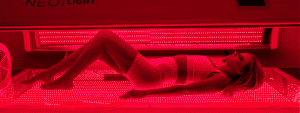
Red Light Therapy in Hertfordshire: Skin Benefits
How Red Light Therapy can benefit your skin
How many sessions of Laser Hair removal will I need?
How many sessions you need to see results
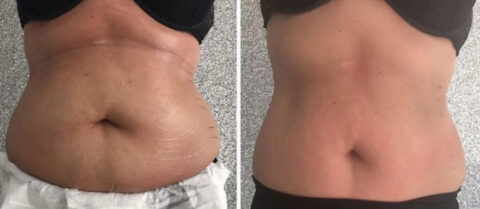
GLP-1 and Lipofirm Pro: How They Work Together
How Lipofirm Pro treatments help tighten loose skin after weight loss injections

RF Microneedling | Pyramid Vs Morpheus 8
How each treatment works and the differences between them
Can I get Laser Hair Removal in the Summer?
How to safely have laser hair removal all year round

Red Light Therapy: Is It Just Another Fad?
How does light therapy really work, and is it worth the investment


