
Dry needling and acupuncture both use very fine needles, and from the outside they can look almost identical. But they are grounded in different philosophies, target different structures, and are used for different purposes. Understanding the distinction helps you choose the right treatment for your specific goals.
At Aqua-Tox, we offer both therapies as part of our wider approach to recovery, pain management and whole-body wellness. Here is how they differ and when each one is the better choice.
Table of Contents
What Is Acupuncture?
Acupuncture is rooted in Traditional Chinese Medicine (TCM) and has been practised for thousands of years. It works on the principle that the body has a network of energy pathways, known as meridians, and that stimulating specific points along these pathways can restore balance, improve circulation and encourage the body’s natural ability to heal.
Acupuncture treats the whole system rather than isolated symptoms. A practitioner selects points based on a holistic assessment of your health, which means two people presenting with the same complaint may receive needles in entirely different locations.
Conditions commonly supported by acupuncture include chronic pain, headaches and migraines, stress and anxiety, digestive issues, sleep disturbances, and fatigue. It is a gentle, relaxing treatment and many clients report feeling deeply calm during and after a session.
What Is Dry Needling?
Dry needling is based on modern anatomical and neurological principles. It targets myofascial trigger points, which are tight, irritable bands within muscle tissue that cause localised pain, referred pain and restricted movement.
When a fine needle is inserted into a trigger point, it can produce a brief involuntary contraction known as a local twitch response. This releases the tension in the muscle band, improves blood flow to the area, and helps reset the pain signalling cycle. The term “dry” simply means no medication or fluid is injected.
Dry needling is particularly effective for muscle tension and knots, sports injuries and overuse pain, neck, shoulder and lower back stiffness, restricted range of motion, and tension headaches caused by muscular tightness.
At Aqua-Tox, dry needling is performed by our Sports Therapist and is focused on localised muscular issues rather than whole-body balance. It pairs well with sports massage and myofascial dry cupping as part of a targeted recovery plan.
Acupuncture vs Dry Needling: Key Differences
The table below summarises the core differences between the two treatments.
Acupuncture | Dry Needling | |
Origin | Traditional Chinese Medicine | Modern musculoskeletal science |
Focus | Whole-body energy balance and healing | Localised muscle tension and trigger points |
Needle Placement | Along meridian pathways based on TCM assessment | Directly into myofascial trigger points |
Conditions Treated | Chronic pain, stress, headaches, digestive issues, fatigue, sleep | Muscle knots, sports injuries, stiffness, restricted movement |
Practitioner | Acupuncturist (TCM trained) | Sports Therapist |
Session Feel | Gentle, deeply relaxing | Targeted, may produce brief twitch response |
Best For | Long-term wellness, stress reduction, systemic balance | Targeted muscle relief, injury rehabilitation, sports recovery |
Which Treatment Is Right for You?
Choose acupuncture if you are looking for whole-body balance, stress reduction, long-term wellness support, or help with systemic conditions such as poor sleep, anxiety, fatigue or digestive discomfort. Acupuncture takes a holistic view and works well as an ongoing maintenance treatment.
Choose dry needling if your primary goal is targeted relief from a specific muscular issue: a stubborn knot, a sports injury, restricted movement, or pain that you can point to. Dry needling is direct, focused and typically produces immediate improvements in range of motion.
If you are unsure which is right for you, our team can help. In some cases, a combination of both approaches delivers the best outcome, particularly for clients managing chronic pain alongside acute muscular tension.
Combining Dry Needling with Other Recovery Treatments
Dry needling works well as a standalone treatment, but the results can be amplified when combined with other recovery tools available at Aqua-Tox:
Sports massage — Deep tissue work to address wider muscular tension beyond the trigger point. Our combined dry needling, myofascial dry cupping and sports massage package (60 minutes, £90) is designed for exactly this purpose.
Whole-body cryotherapy — A short session in our Mecotec chamber after dry needling can reduce post-treatment inflammation and accelerate recovery.
Red light therapy — Photobiomodulation supports cellular repair, reduces inflammation and can enhance the healing response triggered by dry needling.
NormaTec compression boots — Ideal for lower-body muscular issues. Compression therapy mobilises fluid and supports lymphatic drainage after treatment.
For a broader look at how recovery tools work together, read our guide to biohacking and our biohacking for recovery case study.
Dry Needling Pricing at Aqua-Tox
Dry needling is priced by the number of areas treated per session:
Treatment | Price |
Dry needling — 1 area | £30 |
Dry needling — 2 areas | £45 |
Dry needling — 3 areas | £60 |
Dry needling — 4 areas | £75 |
Dry needling + dry cupping + sports massage (60 min) | £90 |
Book Your Appointment
Dry needling and acupuncture sessions at Aqua-Tox can be booked via our online booking system or by contacting us directly. If you are unsure which treatment is right for you, get in touch and our team will help you decide based on your symptoms and goals.
Frequently Asked Questions
Does dry needling hurt?
Most people feel minimal discomfort. You may experience a brief twitch response when the needle reaches a trigger point, which is a sign the treatment is working. The sensation is momentary and many clients find it less uncomfortable than they expected. Any post-treatment soreness is typically mild and resolves within 24 to 48 hours.
How many dry needling sessions will I need?
This depends on the nature and severity of the issue. Some clients experience significant relief after a single session. For more persistent muscular problems or sports injuries, a short course of two to four sessions is common. Your Sports Therapist will assess your response after each treatment and recommend a plan.
Can I have dry needling and acupuncture in the same session?
They are typically delivered as separate treatments because they address different systems: dry needling targets specific muscular trigger points, while acupuncture works on whole-body energy balance. However, they can complement each other well across a treatment plan. Our team can advise on the best combination for your needs.
Is dry needling the same as acupuncture?
No. Although both use fine needles, they are based on different principles. Acupuncture follows Traditional Chinese Medicine and targets meridian points to restore energy balance. Dry needling is grounded in modern musculoskeletal science and targets myofascial trigger points to release muscle tension. The needle placement, treatment rationale and practitioner qualifications differ between the two.
What should I do after a dry needling session?
Stay well hydrated, avoid intense exercise for 24 hours, and apply gentle heat to the treated area if you experience any residual soreness. Pairing your session with cryotherapy or red light therapy can support faster recovery.
Who performs dry needling at Aqua-Tox?
Dry needling at Aqua-Tox is performed by our qualified Sports Therapist, who specialises in musculoskeletal assessment and treatment. You can find out more about our team on our about page.
Where is Aqua-Tox located?
Aqua-Tox is at Foxholes Farm, London Road, Hertford, Hertfordshire, SG13 7NT. We are easily accessible from the M25, A414 and A10 with free parking on site. Contact us for directions or to book.
Explore more blog posts from Aqua-Tox
Red Light Therapy in Hertfordshire: Skin Benefits
How Red Light Therapy can benefit your skin
How many sessions of Laser Hair removal will I need?
How many sessions you need to see results
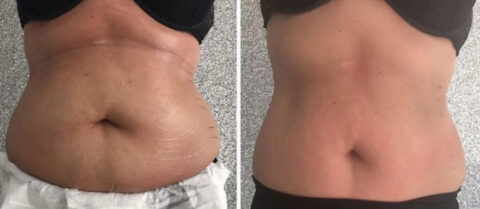
GLP-1 and Lipofirm Pro: How They Work Together
How Lipofirm Pro treatments help tighten loose skin after weight loss injections

RF Microneedling | Pyramid Vs Morpheus 8
How each treatment works and the differences between them
Can I get Laser Hair Removal in the Summer?
How to safely have laser hair removal all year round

Red Light Therapy: Is It Just Another Fad?
How does light therapy really work, and is it worth the investment


